Nintendo Faces Lawsuit Over Tariff Refund Double-Dip
Two Nintendo customers are suing the company over a potential $166 billion tariff refund windfall. Gregory Hoffert and Prashant Sharan filed a proposed class action Tuesday, arguing that any money Nintendo recoups from the government should go straight back to the people who actually paid the higher prices.
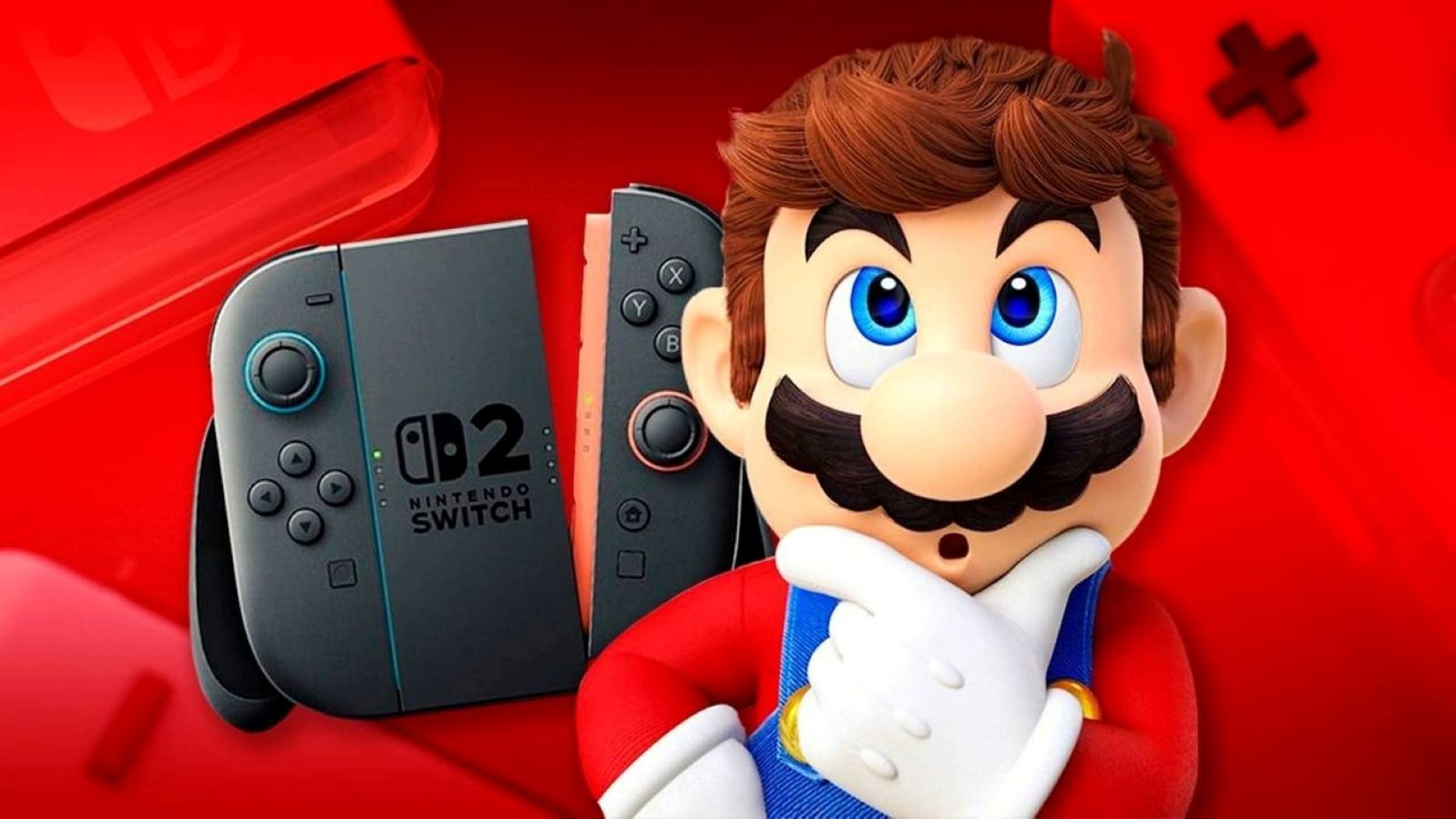
Here's the situation: Nintendo raised Switch 2 accessory prices by $5-10 and hiked original Switch hardware costs by $30-50 after Trump's tariffs kicked in. Then the Supreme Court ruled those tariffs unconstitutional. Now Nintendo — along with over 1,000 other companies — is suing for a refund.
The plaintiffs' argument is brutally simple. Nintendo passed tariff costs to customers. If Nintendo also gets refunded by the government, that's double-dipping. "Unless restrained by this Court, Nintendo stands to recover the same tariff payments twice," the lawsuit states.
The Paper Trail Problem
Nintendo CEO Shuntaro Furukawa made the company's position uncomfortably clear in May 2025. "Our basic policy is that for any country or region, if tariffs are imposed, we recognize them as a part of the cost and incorporate them into the price," he told investors.
That quote is now exhibit A.
What Got More Expensive:
- Switch 2 Pro Controller
- Joy-Con 2 controllers
- Charging Grip
- Wheel Set
- Camera
- Dock Set
- Carrying Case
- AC Adapter
- Original Switch ($40 hike)
- Switch OLED ($50 hike)
- Switch Lite ($30 hike)
Notice what didn't get a price increase: the Switch 2 console itself stayed at $450. Nintendo strategically absorbed that hit while pushing accessory costs onto buyers.
"The tariffs were nice little transfer of money from people to corporations. Government of megacorps, for the megacorps, by the morons."
- Reddit u/santathe1
The Legal Hurdle Nobody's Talking About
Here's where this gets messy. Nintendo didn't add a line item saying "tariff fee." They just raised the sticker price. And in the US, companies can charge whatever they want for any reason.
"Businesses have the right to charge whatever they want for whatever reason they want. They are not required to justify it, or use any type of equation to set it. Yay! Capitalism!"
- Reddit u/Groovychick1978
But the plaintiffs have Furukawa's own words. That shifts the question from "did they raise prices because of tariffs" to "can a court force a company to unwind pricing decisions made under an illegal government policy."
Some Reddit users with industry experience say discovery could be devastating:
"I work directly with manufacturers to give pricing to distributors. There are likely HUNDREDS if not THOUSANDS of emails attributing rising costs to tariffs along with documenting spreadsheets. Any discovery phase will uncover all of this immediately."
- Reddit u/xenithdflare
Others argue the legal framework simply doesn't exist:
"For this lawsuit to work, the US would have to change its laws on corporate regulation."
- Reddit u/gamas
Who Actually Paid?
FedEx and UPS have already said they'll pass tariff refunds to customers. Why? Because they charged the tariffs directly as a line item on delivery. Nintendo just raised the shelf price.
That distinction matters. A lot.
- Direct tariff charges (shipping companies): Easy refund path
- Indirect price increases (retail goods): Almost no legal precedent for consumer refunds
- Global price hikes (Nintendo raised prices outside the US too): Even messier
"Nintendo didn't charge the client a 'tariff' — they just raised the price of their goods. Nintendo can sell a Switch for whatever price they want."
- Reddit u/Noticeably-F-A-T-
What Happens Next
The court needs to certify this as a class action first. If that happens, the class could include "anyone in the United States who purchased goods from Nintendo during the period February 1, 2025, through February 24, 2026, in which Nintendo raised prices."
That's potentially millions of people.
But here's the cynical reality: even if the plaintiffs win, don't expect a check. A court could order Nintendo to distribute eShop credit, a free year of Nintendo Switch Online, or some other token gesture. The administrative nightmare of cutting millions of small checks is real.
Bottom Line
This lawsuit is a long shot, but it's not stupid. The legal theory — that a company shouldn't profit from an illegal government action it passed directly to customers — has moral clarity even if the law is fuzzy. Nintendo's own CEO handed the plaintiffs their best weapon. Whether a judge cares about that quote more than basic pricing freedom is the real question.
One thing is certain: prices aren't coming down regardless. The tariffs are gone but the $80 Pro Controller and $50 Joy-Con 2 prices are here to stay. That money left your wallet. Whether any of it comes back depends on how badly the courts want to answer a question nobody's ever really asked before.